Learning from Isopods: The Beauty of Balance in Nature’s Design
Nature is a masterful teacher, offering countless lessons in harmony, resilience, and efficiency. Among its most fascinating instructors are isopods small, humble creatures often overlooked but brimming with wisdom. Studying these tiny animals reveals profound insights about balance, adaptation, and the art of thriving in diverse environments. You can buy isopods cultures online to create a self-sustaining terrarium that benefits both plants and small reptiles through natural waste breakdown.
The Elegance of Adaptation
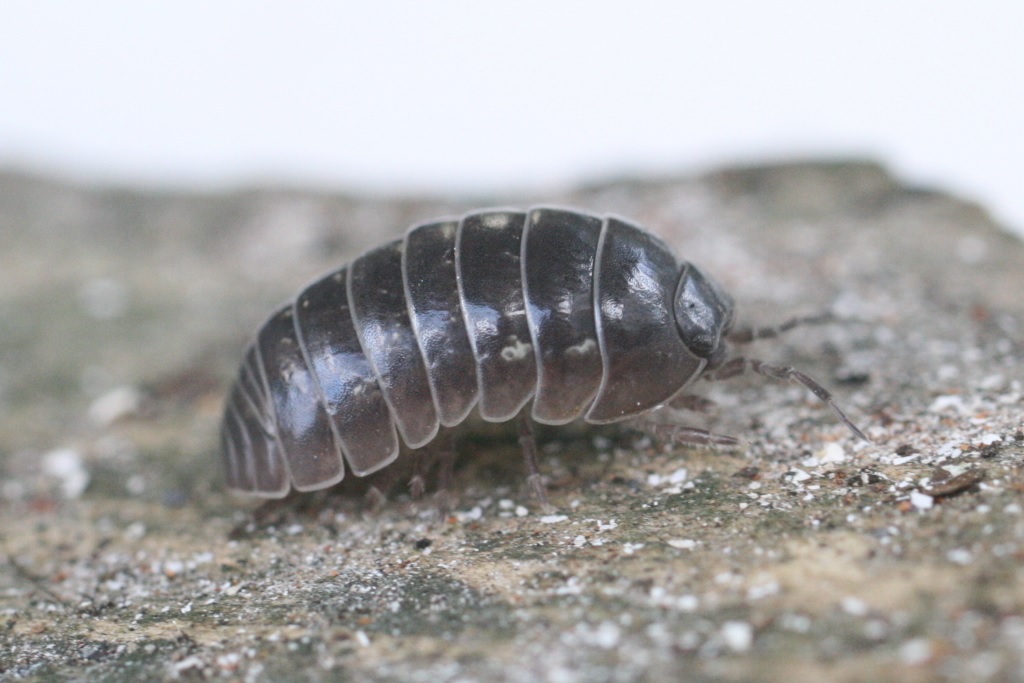
Isopods, commonly known as pill bugs or woodlice, exhibit remarkable adaptability. Their ability to thrive in both land and water environments is a testament to nature’s design brilliance. Observing their behavior provides valuable lessons:
- Resilience in Change: Isopods adjust seamlessly to varying humidity and temperature levels, demonstrating how flexibility ensures survival.
- Efficient Resource Use: They recycle organic material, contributing to soil health and showing the beauty of symbiotic balance in ecosystems.
- Protective Design: Their ability to curl into a tight ball when threatened is not just defense it is a perfect example of compact, functional design in nature.
These traits remind us that thriving often comes from the balance between flexibility and stability, a lesson relevant beyond biology.
Lessons in Cooperation and Community
Though small, isopods are social creatures that value collective well-being. Studying their interactions can inspire human innovation and sustainable living:
- Teamwork in Action: Isopods often cluster together to maintain moisture and temperature, showcasing how collaboration enhances resilience.
- Mutual Support: Their presence improves soil quality, indirectly supporting countless other species, highlighting the impact of contributing to a larger system.
- Non-Intrusive Living: They coexist with other organisms without overconsuming resources, modeling harmonious interaction.
From these observations, we see that small, deliberate actions can create positive ripple effects in any community or environment.
Inspiration for Innovation
Nature’s engineering is unparalleled, and isopods are no exception. Their simple yet effective designs inspire solutions in technology, architecture, and sustainable practices:
- Compact Efficiency: The isopod’s exoskeleton design inspires protective gear, robotics, and foldable structures.
- Environmental Harmony: Their nutrient-cycling role reminds us of circular economies, emphasizing zero-waste principles.
- Stress Management: Their ability to respond gracefully to threats encourages mindfulness and adaptability in our daily lives.
Every detail in their anatomy and behavior is a blueprint for creating systems that balance functionality, resilience, and beauty.
Embracing Nature’s Subtle Lessons
Isopods may seem inconspicuous, but their existence embodies lessons of balance, collaboration, and sustainable living. By observing and learning from them, we gain a deeper appreciation for the interconnectedness of life.
- Celebrate simplicity: even the smallest creatures offer profound insights.
- Practice adaptability: adjust to challenges with grace and efficiency.
- Value harmony: every action impacts the broader ecosystem, just as every gesture shapes human communities.
In essence, isopods teach us that true beauty lies in balance whether in nature, society, or personal growth. Their quiet wisdom encourages us to live thoughtfully, act sustainably, and marvel at the genius woven into life itself.